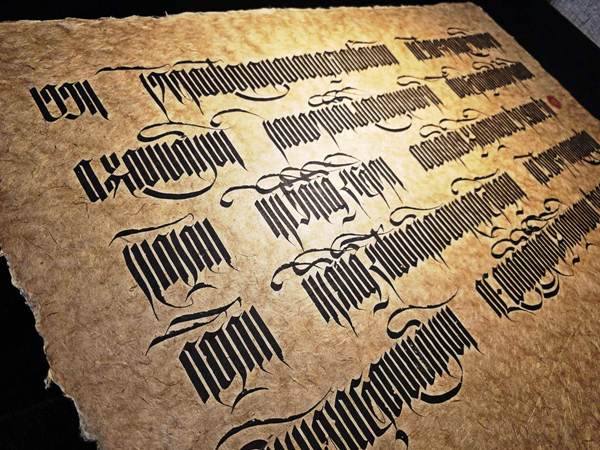
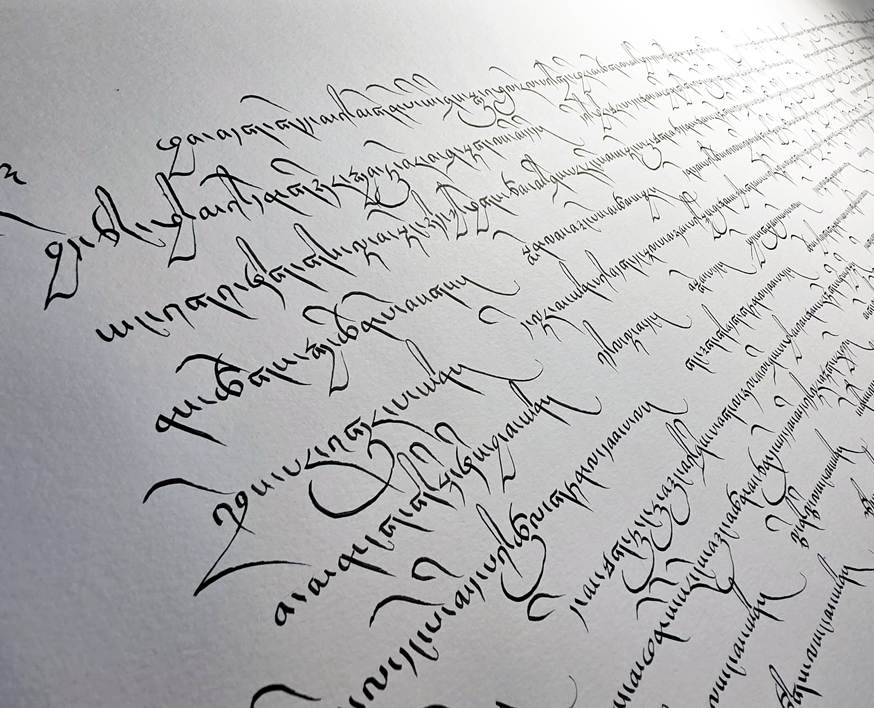
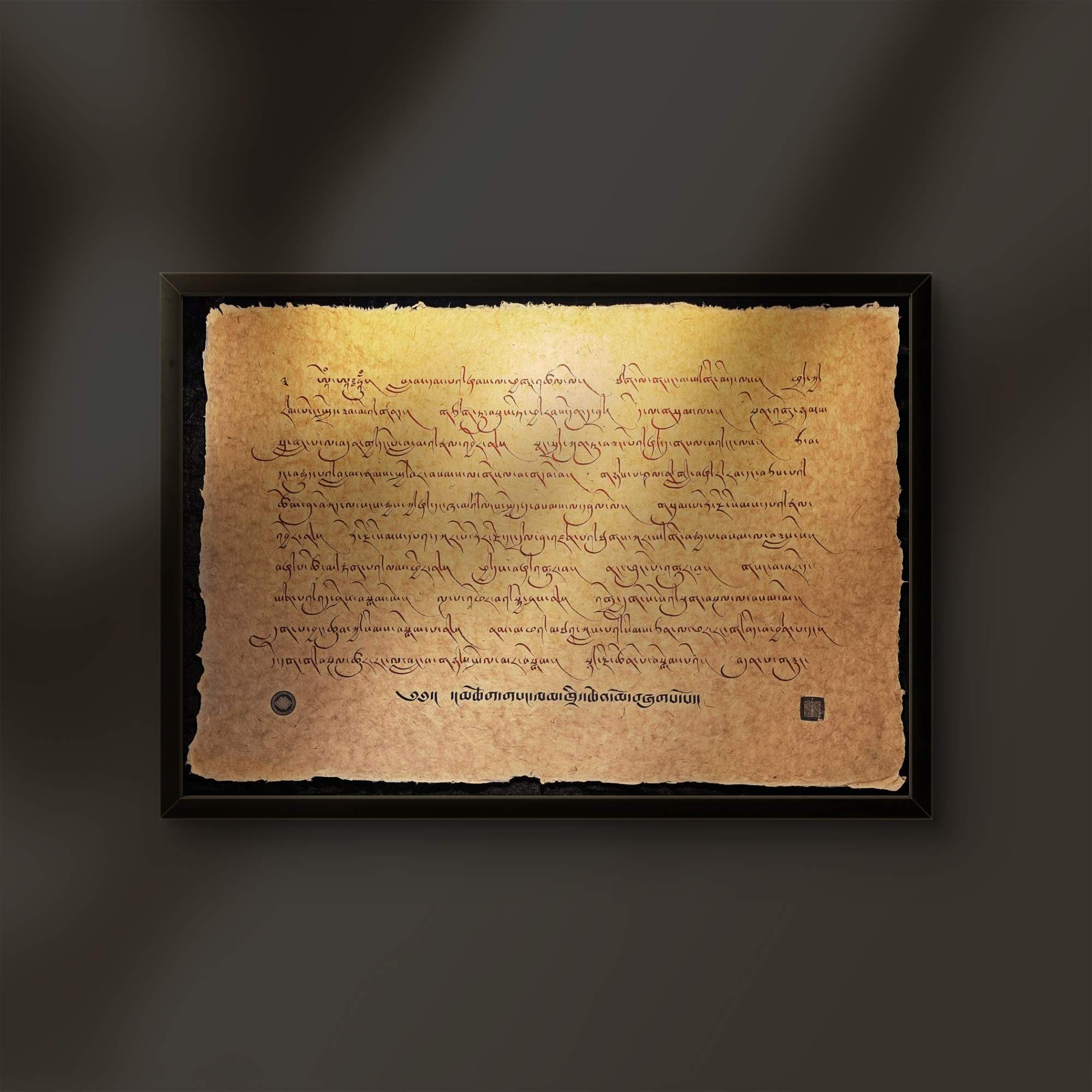
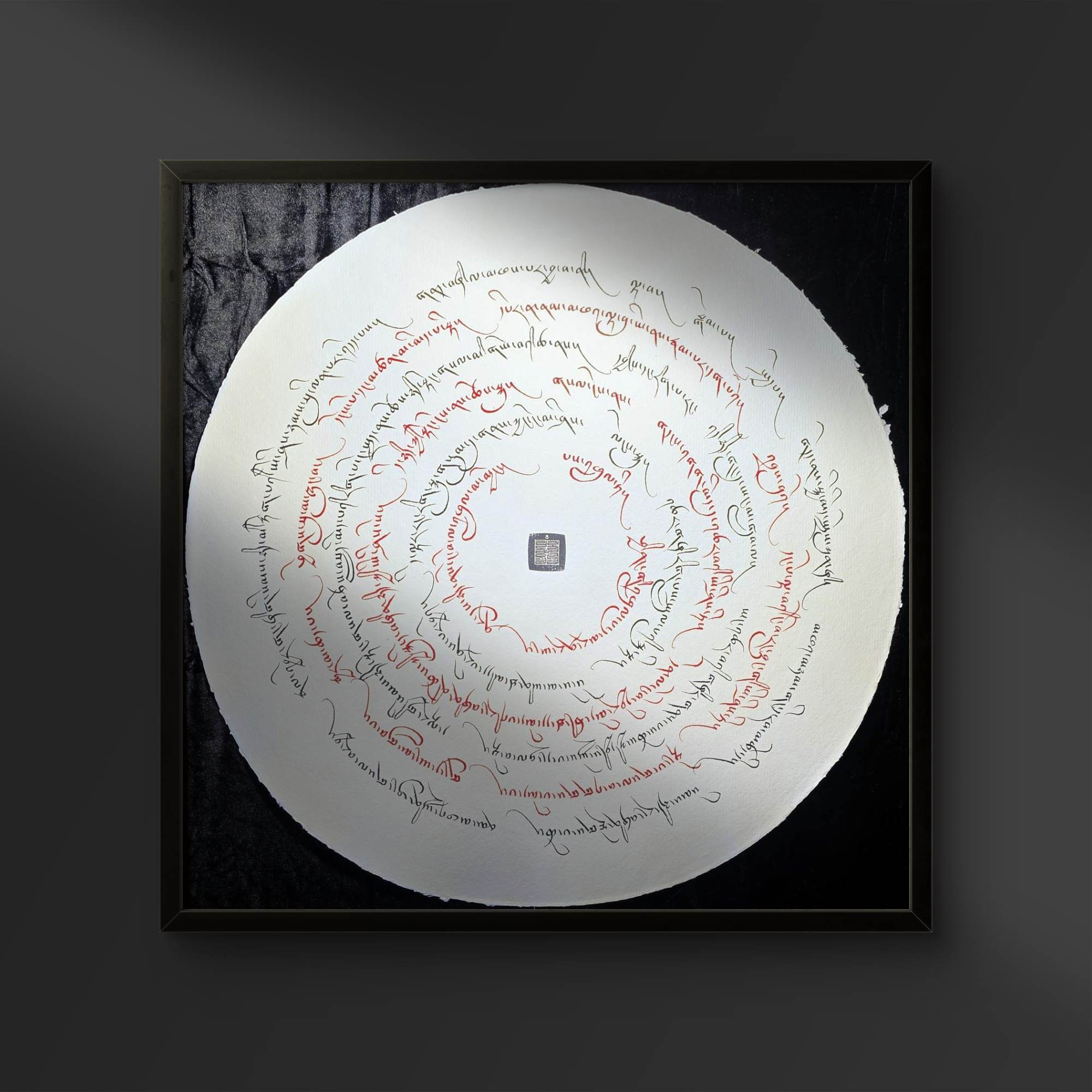
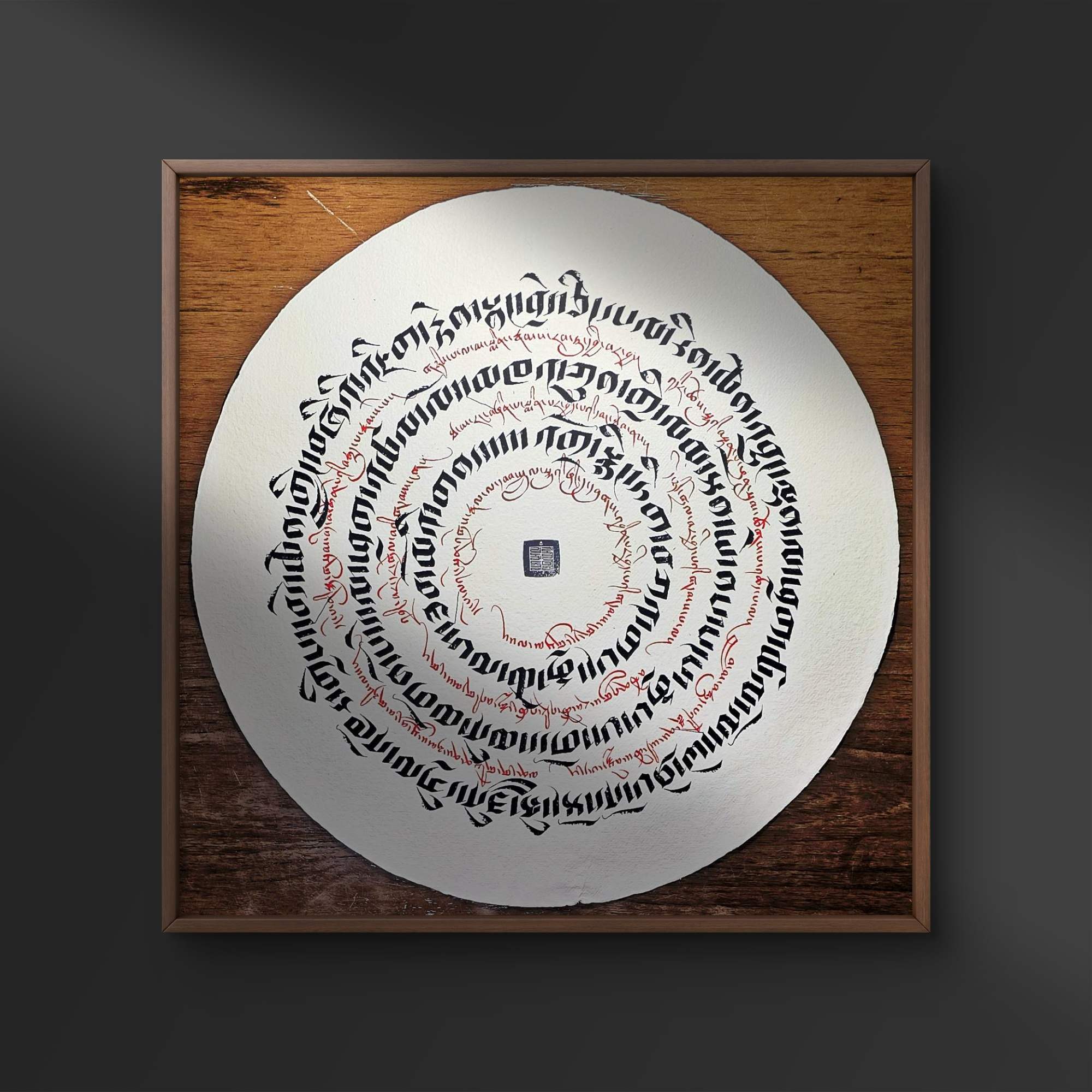
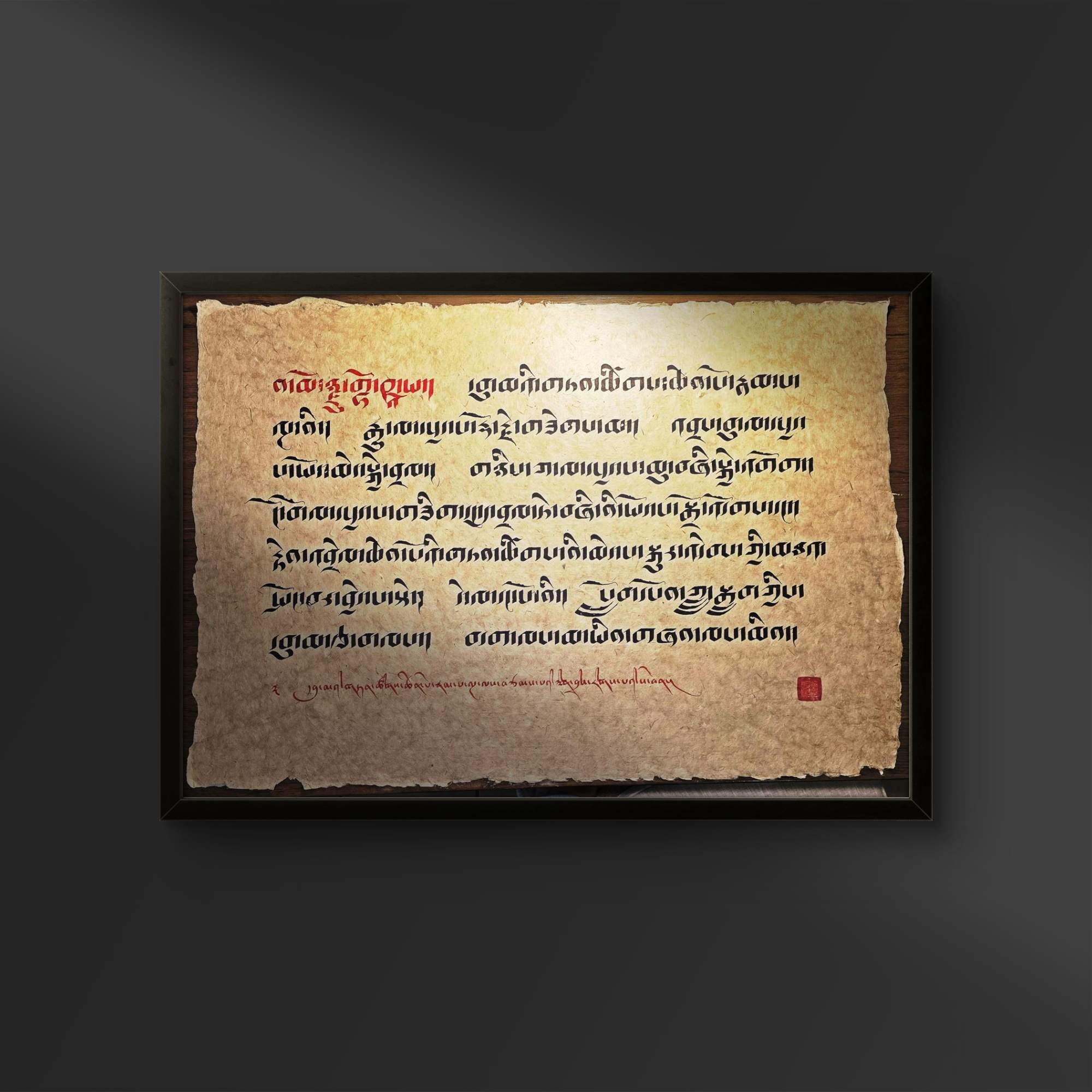
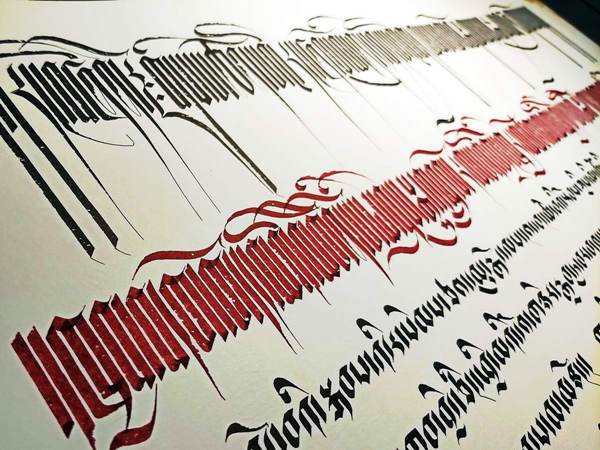
Throughout Sambhota Studio, you will find original calligraphy featuring Buddhist mantras, passages from sutras, Dharma teachings and quotations, alongside words from thinkers, philosophers and other voices whose insights resonate with the contemplative spirit of the work.
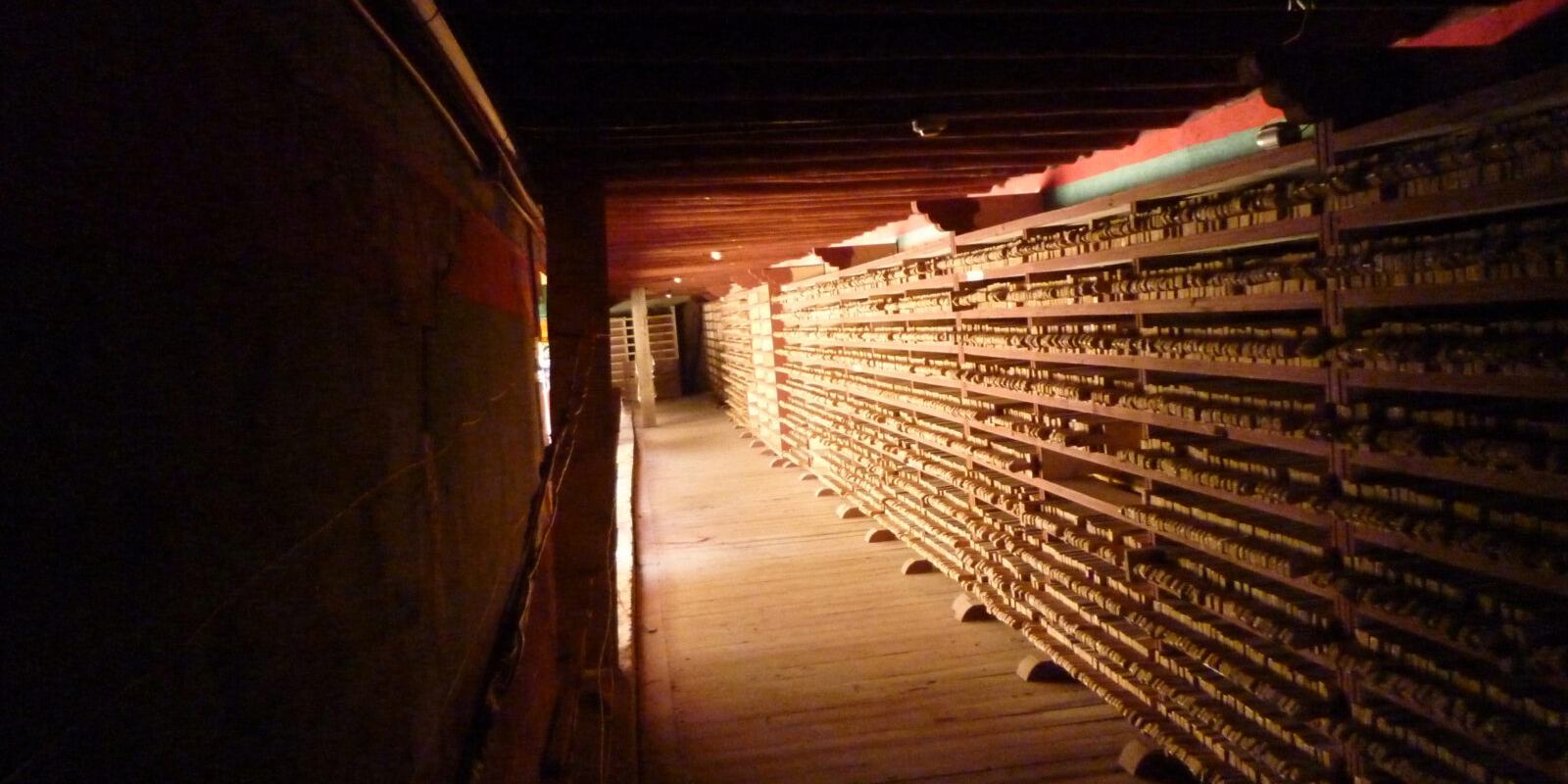
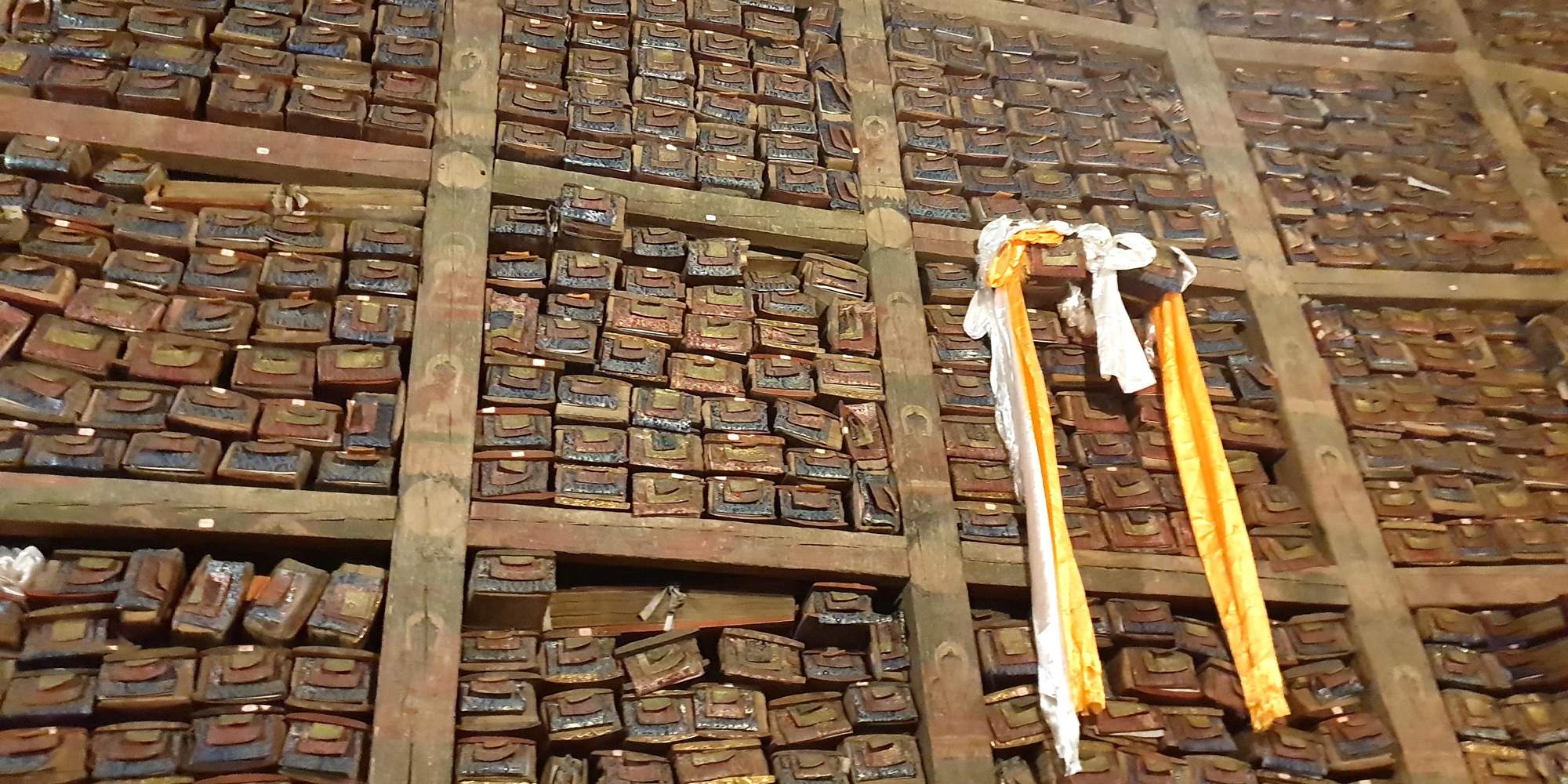
I also hope this site can serve as a place to explore the wider tradition of Tibetan calligraphy, its many writing styles, the handmade papers and materials traditionally used to create it, and the remarkable manuscript culture through which Tibetan Buddhist teachings have been preserved for centuries.
The art of Tibetan calligraphy traces its origins to the seventh century, when the Tibetan writing system emerged during the reign of King Songtsen Gampo. As Buddhism took root in Tibet, the written word became an essential means of preserving and transmitting sacred teachings.
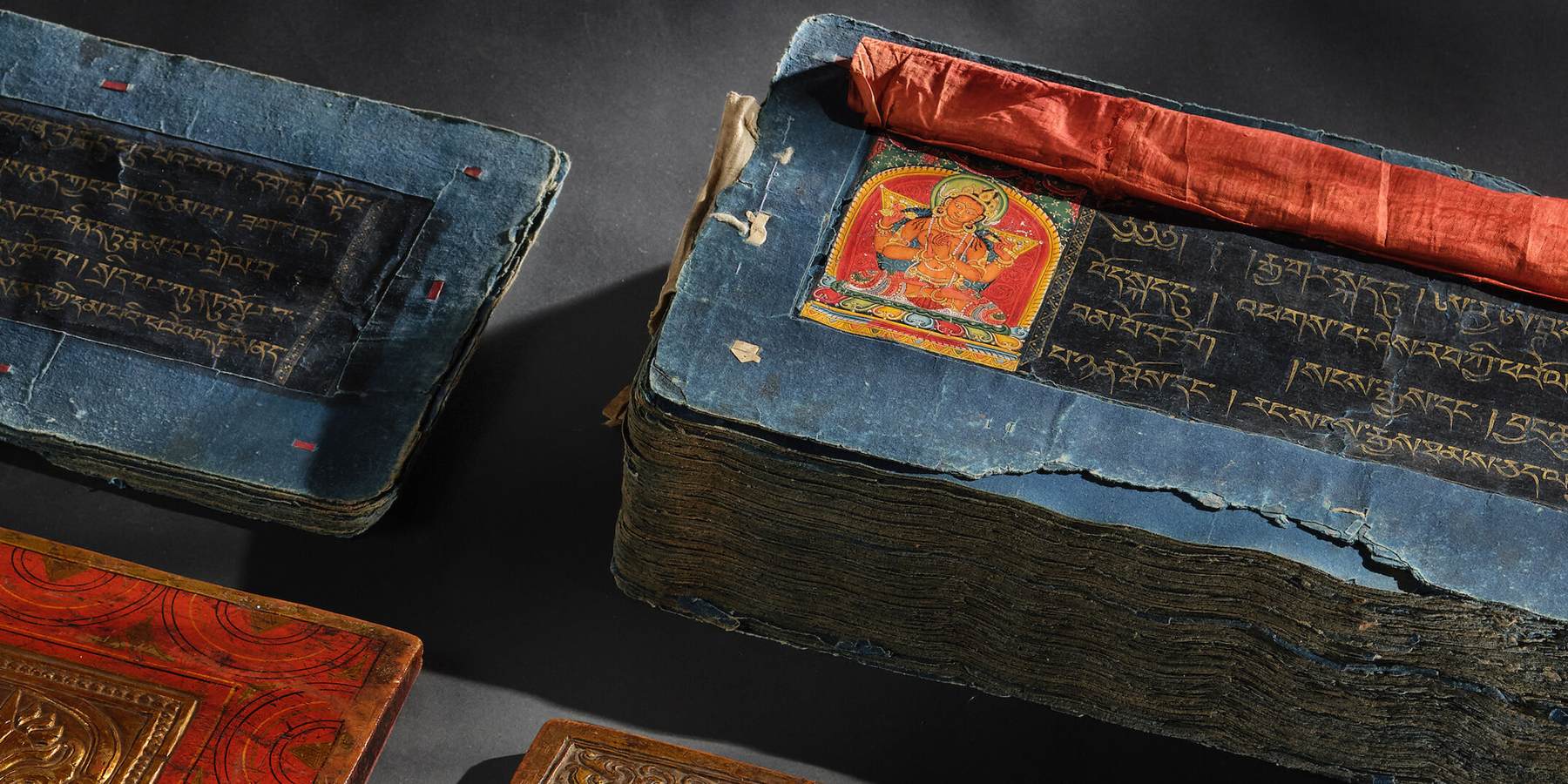
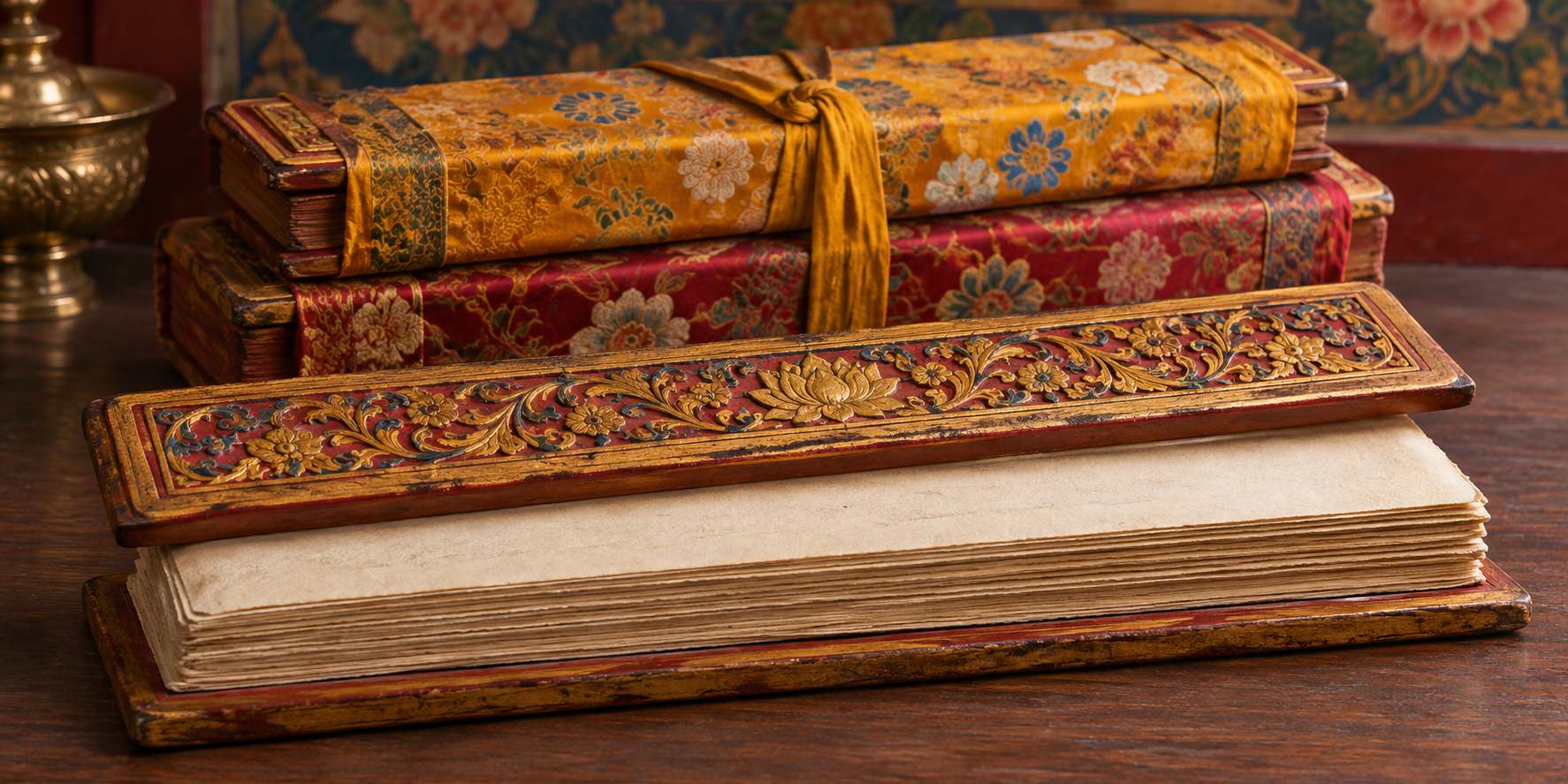
Over the centuries, Tibetan scribes developed distinctive calligraphic styles, transforming writing into an art form of remarkable beauty and precision. From meticulously handwritten Buddhist scriptures to illuminated manuscripts and traditional pecha texts, Tibetan calligraphy became inseparable from the region’s spiritual and cultural heritage. Today, this centuries-old tradition continues to inspire artists, scholars, and practitioners around the world.
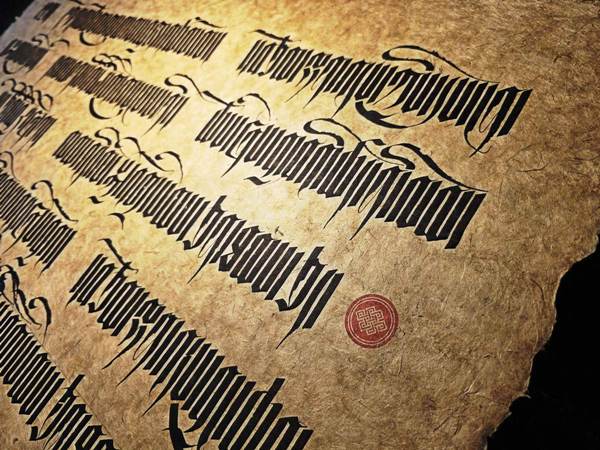
Tibetan calligraphy encompasses a rich variety of writing styles, each distinguished by its unique forms, proportions, and expressive qualities. Uchen, with its characteristic horizontal headstroke, is traditionally associated with printed texts and Buddhist scriptures, while Umê offers a more fluid, cursive approach to writing. Other styles, including Drutsa, Tsugring, and Tsugtung, reflect the remarkable diversity of Tibetan scribal traditions.
Developed and refined over centuries, these scripts serve both practical and artistic purposes, from everyday correspondence to elaborate religious manuscripts. Together, they reveal the versatility of the Tibetan alphabet and the enduring creativity of the calligraphers who have shaped its evolution.
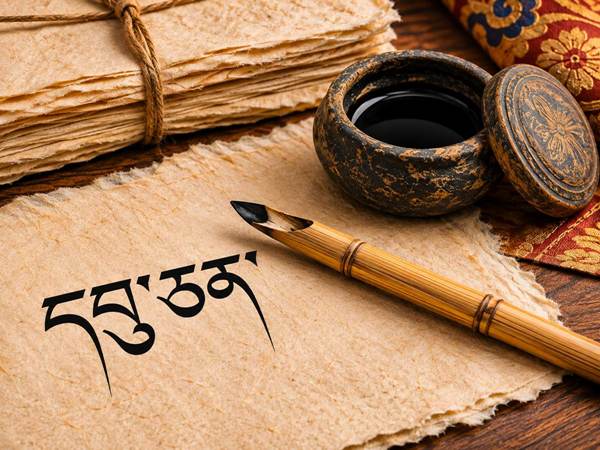
The art of Tibetan calligraphy is deeply connected to the traditional tools and materials used in its creation. For centuries, Tibetan scribes have worked with carefully prepared inks, handmade papers, and writing instruments fashioned from bamboo, reeds, and other natural materials.
The distinctive qualities of these tools influence the texture, rhythm, and character of each written stroke. Traditional Tibetan papers, often crafted from the fibrous bark of Himalayan plants such as Daphne, provide a unique surface for calligraphic expression. These time-honored materials and techniques reflect a tradition in which craftsmanship, artistic discipline, and the preservation of sacred texts are closely intertwined.